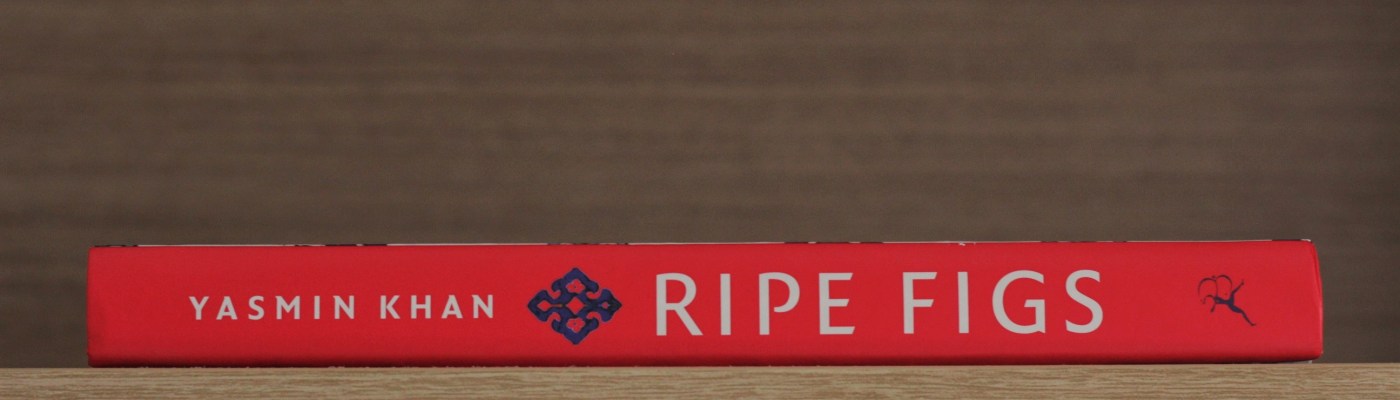
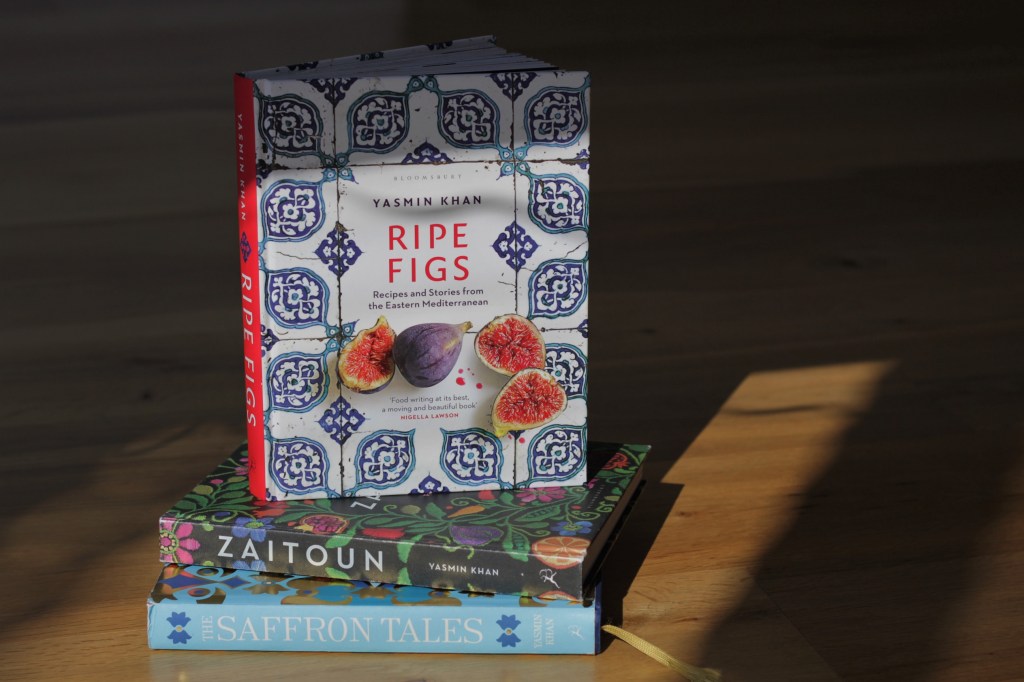
While I don’t like to let my other cookbooks know this, it is an open secret that, if I had to pick just one cookbook to save in a fire, it would be Zaitoun by Yasmin Khan. This was my gateway book to Khan’s work and, within months of purchasing Zaitoun, I quickly went back to snap up her first cookbook, The Saffron Tales. They are two of my most well-used, frequently-recommended cookbooks. So you can imagine how excited I was to discover last year that Yasmin Khan had a new book in the works. And even more excited to learn that it would focus on some of my favourite fare: Eastern Mediterranean cooking.
A long-ago, pre-COVID-19 trip with my sisters to Turkey and Greece still holds a dear place in my heart. We landed first in Turkey and, being the first major overseas trip we’d done as adults to a predominantly Muslim country, we were elated with the endless food tourism opportunities now presented to us. Throughout the trip it was not unusual for us to eat Hobbit-style with first breakfast followed by second breakfast, elevenses and lunch, then on to second lunch… and so on and so forth.
We ate anything and everything that took our fancy. Rice-and-tomato stuffed mussels sold by the side of the street. Chicken döner kebab hawked at the Grand Bazaar, served alongside shredded veg doused in pomegranate molasses. Unfamiliar stringy white cheese piled in mounds before a cheesemonger. Fish sandwiches grilled fresh beside the Bosphorus. We ventured on to Greece afterwards and, though not surrounded by halal food, we continued our eating extravaganza, primarily in the form of every single version of spanakopita (spinach and cheese pie) we came across.
It was the first time that I really began to hone in on the sorts of flavours that I love to eat and love to cook with. I’d been eating haloumi since I was 10, but now I understood why: it was part of a broader cookery tradition that I felt I truly belonged to.
The idea of owning a cookbook from one of my favourite food writers that encapsulated this very cuisine was intoxicating.
So April 2021 rolled around and I finally got my hot little hands on Ripe Figs: Stories and Recipes from the Mediterranean.
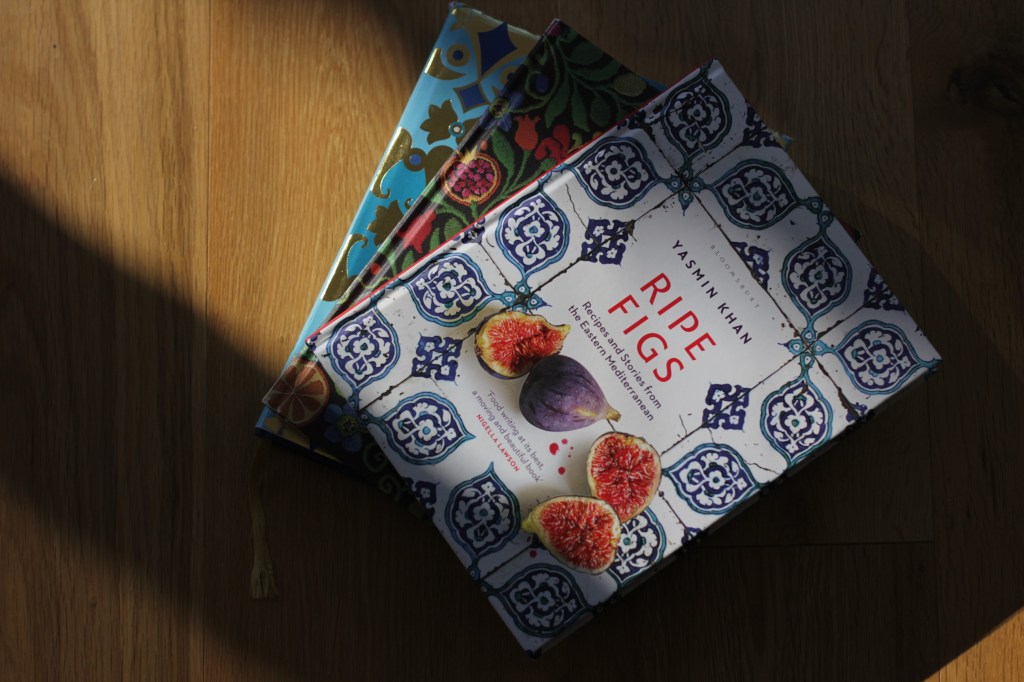
Although I was sold before I’d even laid eyes on the book, I would have been otherwise convinced by gems like Haloumi and Mint Muffins; Pomegranate and Sumac Chicken; Courgette (zucchini) and Feta Fritters; and Sweet Tahini Swirls. I’m hanging out for the end of Ramadhan so I can get stuck into breakfast with Cardamom Egg Toast, Fragrant Oats with Rose Water, or even just a slice of toast slathered with kaymak (a type of ‘Turkish clotted cream’), drizzled with honey and fresh walnuts. I’ve even managed to track down kaymak just two suburbs over.
The book sings with the classic flavours of the Mediterranean through creative recipes. There’s the Prawn Saganaki—where a rich tomato and fennel scented sauce is simmered slowly, then tossed through with prawns and crumbled feta and grilled, before a final flourish of vivid shredded basil leaves. Charred wedges of fresh green cabbage are decorated with crunchy, roasty hazelnuts and a sizzling chilli butter. I tend towards savoury rather than sweet baking, and yet I can’t drag my eyes away from the citrus cake with cream cheese frosting that looks so vibrant and glorious—like sunshine on a platter.
There are also the traditional recipes—Turkish Bride Soup (a nourishing and fortifying soup served to brides on their wedding day), Avgolemono (Greek egg and lemon soup), Istanbul’s Famous Mackerel Sandwiches, Veiled Rice with Spiced Chicken (pilaf encased in an almond-studded pastry, like a sort of elaborate savoury celebratory cake), my ubiquitous Spanakopita, and even Gulab Jamun (a sweet, spiced, syrup-soaked doughnut).
Gulab Jamun is, of course, not traditional to the Mediterranean, but made primarily by those on the Indian subcontinent and Afghanistan. This particular recipe—and others—are included as a nod to the refugees and migrants Yasmin Khan met while travelling for and researching the book.
Because this is not just a book of recipes. Like Zaitoun before it, Ripe Figs is a cookbook that tells a story—in fact, many stories. The book explores the refugee crisis of recent years, as Khan travels through Turkey, Greece and Cyprus—countries that have long been plagued with diasporas, population exchanges, and displaced peoples—to meet with individuals, communities, and refugee organisations, and join them at their tables or in their kitchens. Yasmin Khan is a master at telling stories through food, a master at highlighting the human connections that are forged through food.
This theme weaves throughout the entire book. By her own admission, several books could be written on each of the unique cuisines that exist within each of the three countries she visits. But for this book she shies away from difference to explore the commonalities between the cooking of these cultures; the things that unite them—and, in many ways, all of us.
Throughout Ripe Figs, Yasmin Khan also tells her own story of personal heartbreak, grief and loss; she writes of experiences and emotions that are unequivocally universal and yet utterly isolating. The pain and sadness undeniably distances her from the people, the places and the food around her through her travels, but also brings her closer to them, as she meets others who have suffered and continue to carry a heavy load in their hearts.
This is not a cookbook to idly flip through; it’s one that draws you in and, as Yasmin intends, connects you with people from another country, another life, another world.
(For more beautiful writing from Yasmin Khan, I’d suggest you take a look at this piece in which she goes deeper into her personal story and some of her journey for writing Ripe Figs.)
By the time I finally managed to pull myself away from the stories, I’d already had the book for a couple of weeks and hadn’t yet cooked anything from it. I decided to remedy this immediately, by setting a plan to cook 7 recipes within the next week.
Have you ever had a cookbook where you knew you could make every single recipe in it, and have complete faith that it would need little-to-no adjusting, and would turn out delicious and just as the recipe intends? This is what Yasmin Khan manages to do—in all of her books, not just her latest. Such is my confidence in her recipes and love for her palate, that I made a highly risky (and certainly not Mum-approved) decision to cook a host of dishes from Ripe Figs for the first time to serve a party of 10 for dinner. Not just any dinner either, but a mid-Ramadhaan iftaar, the meal Muslims have when breaking their fast. Of course, while fasting myself, it wasn’t exactly an option to taste marinades and ingredients as I went. And, out of 5 dishes, I managed to have chosen 4 that relied on pomegranate molasses and sumac for their flavour, yet I ploughed on ahead anyway.
It turned out spectacularly.
I heeded Khan’s advice to pick a dish from almost every chapter, to serve our guests with a generous spread of double carbs, salads and fresh vegetables, rich dips and spreads, and of course grilled meats. The Pomegranate and Sumac Chicken was a personal favourite, and was delectable paired with hummus and the Ezme salad (a salsa-come-salad of tiny diced tomatoes, mild green peppers and onions dressed in a tart, fruity dressing). But the grilled onions (also with pomegranate and sumac) were a revelation that will definitely be repeated in our household. And this, my first, attempt at making Adana Kebab, was a raging success.
Guests sated, I went on in the following days to make the Spanakopita and, most memorably, the aforementioned Prawn Saganaki. I don’t love cooking with prawns, but the sweet, fresh flavours of tomato, anise and basil paired so perfectly with them that, well, let’s just say I’m convinced to get my act together to clean and prepare prawns more often.
I’ve bookmarked a series of other recipes to try over the coming weeks, and I’m already salivating. The book comes in at a Cookability Factor score of 53%, depending on what day I’m doing the counting. But this is a strong 53%. Yes, I can see myself realistically cooking 53% of the recipes, but knowing Yasmin’s Khan’s recipe development and having tried out a handful already, I know that, of these recipes, many of them will be cooked not just once, or twice, or even three times. They will become firm family favourites cooked time and time again, requested by my son and husband when we want something comforting and familiar, yet out of the ordinary, and—ultimately—absolutely delicious.
Ripe Figs has found a place in my heart, in my kitchen, and in our home.
“Food is the simplest way for people to communicate.”
— Nadina Christopoulou, co-founder of Melissa, a women’s refugee organisation and community centre in Greece (p68).
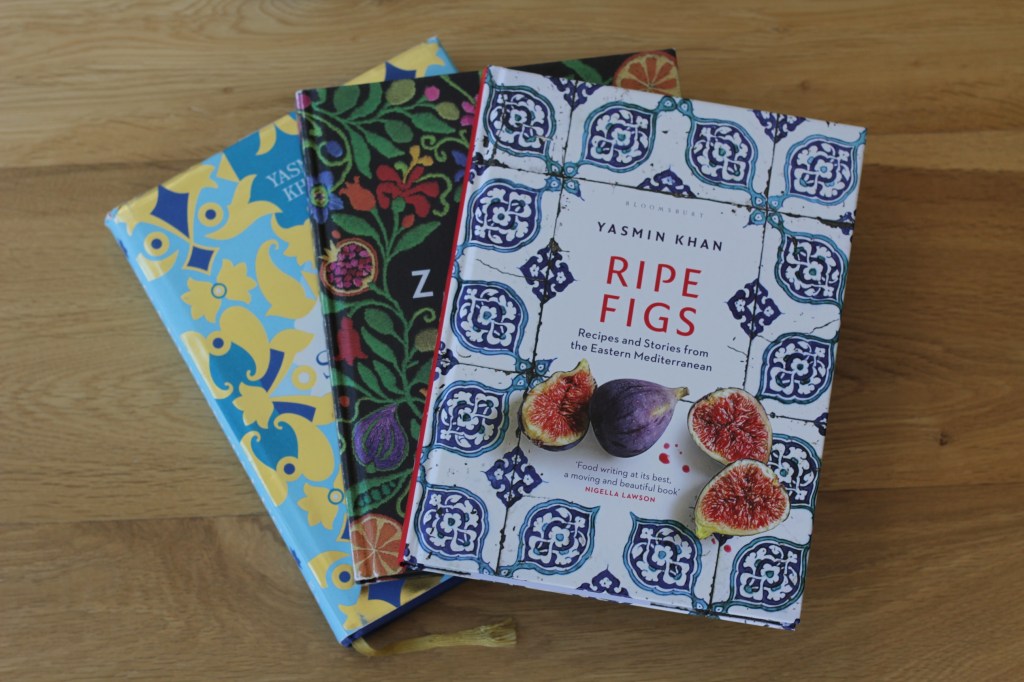
On a largely irrelevant footnote, I want to take moment to comment on book design. There’s something cosy about the size of Yasmin Khan’s cookbooks. Kudos to her publisher, because these are books that I love tucking under my arm as I move from kitchen to couch to bedroom, to pore over the recipes and delve into the stories. Her books aren’t daunting like a compendium or heavy like a tome; they have the perfect amount of recipes to feel like you could easily conquer them relatively quickly.
And, together, they form the most beautiful series of vibrant patterned covers that catch my eye each time I walk past my cookbook shelf. I can’t wait to see what Yasmin Khan does next so I can add to the collection.
 The Foodiarist
What a thoroughly enjoyable and engaging blog post !! You have already introduced me to Yasmin Khan and now I cannot wait to get my hands on her books and try this Adana dish after seeing your pictures. Anything over 40 per cent is a win win! Thank you !
LikeLike
[…] I last left you, I had just finalised my shortlist of contenders for the perfect spanakopita. Yasmin Khan’s latest book Ripe Figs was already open on my kitchen cookbook stand, so her recipe seemed the natural place to […]
LikeLike